Postpoetic Machine™

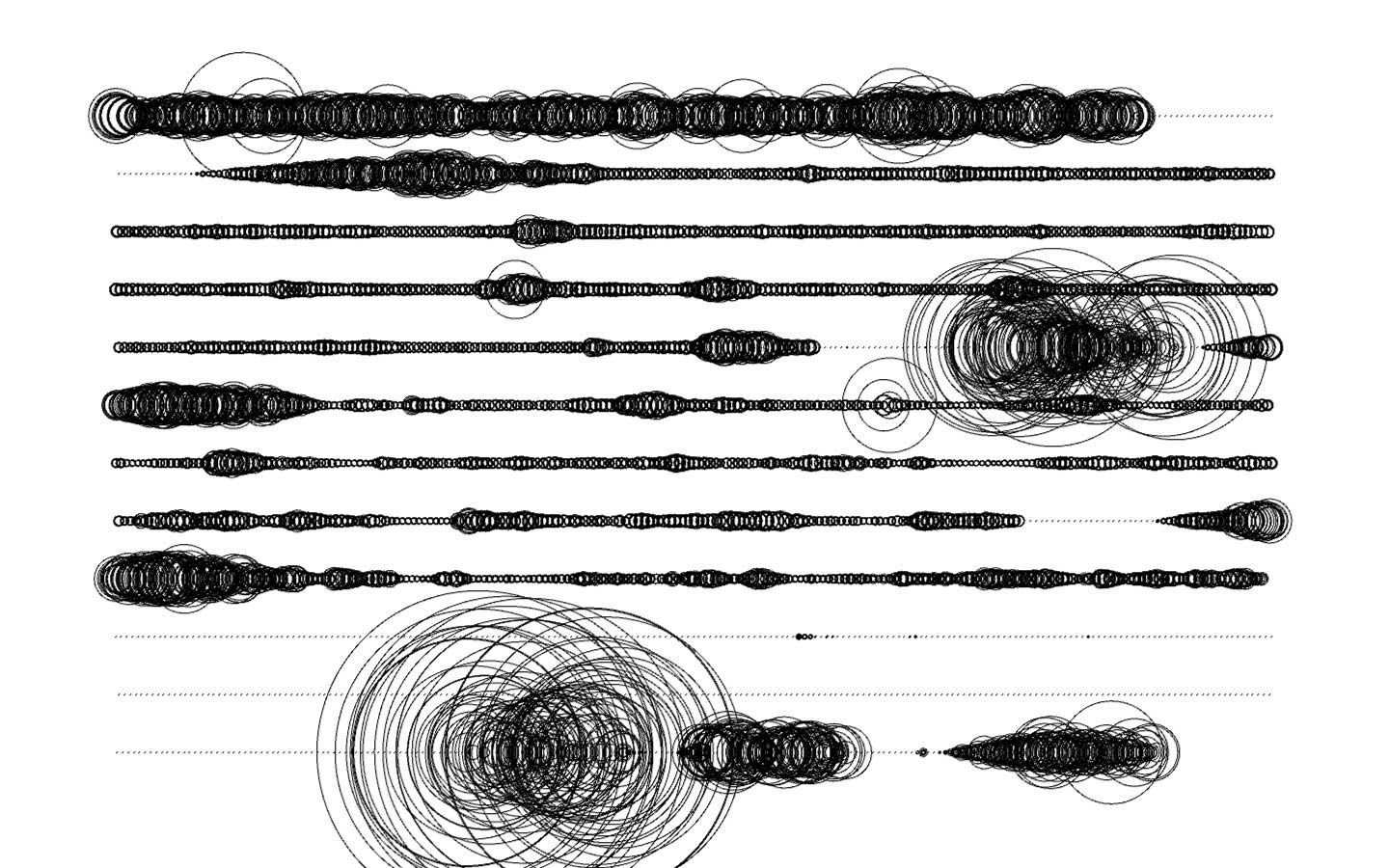
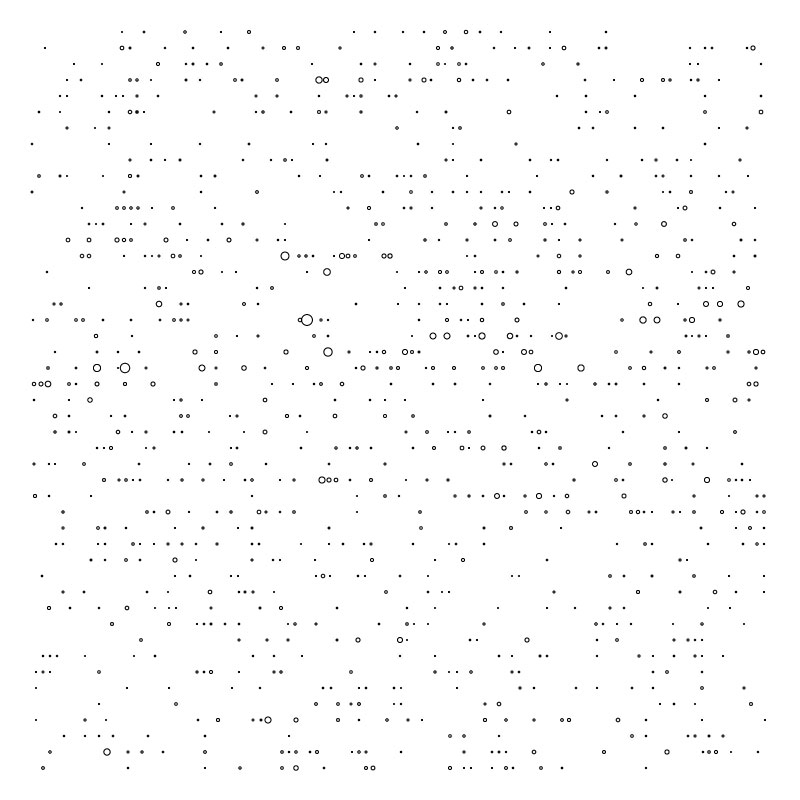
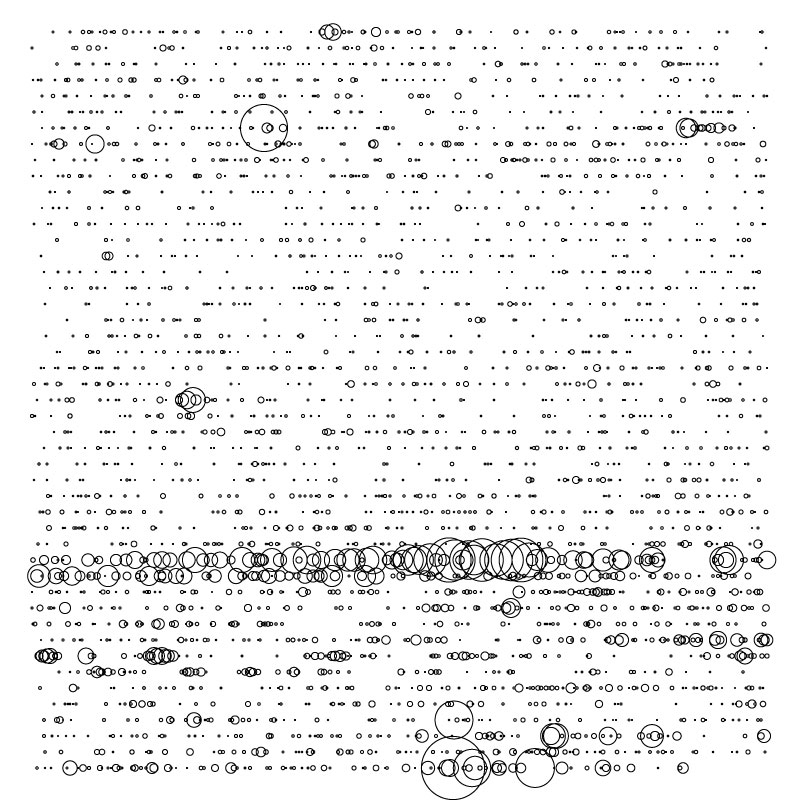
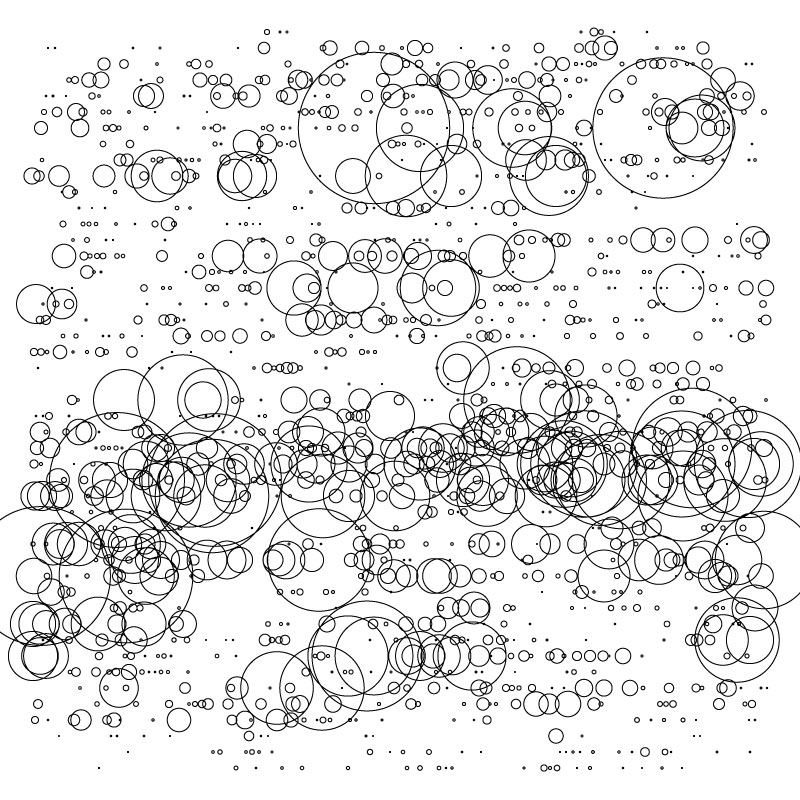
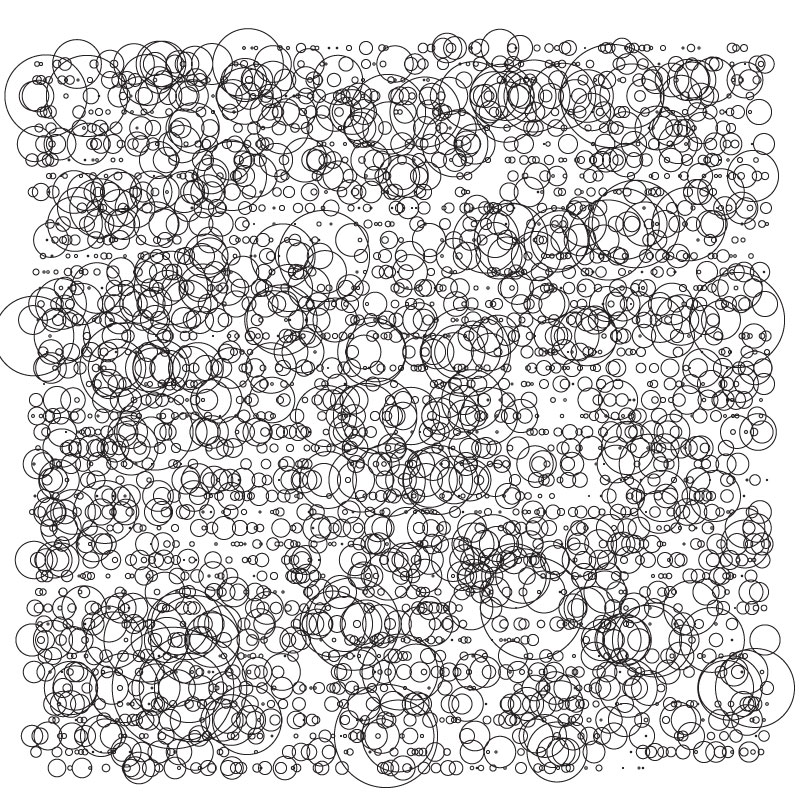
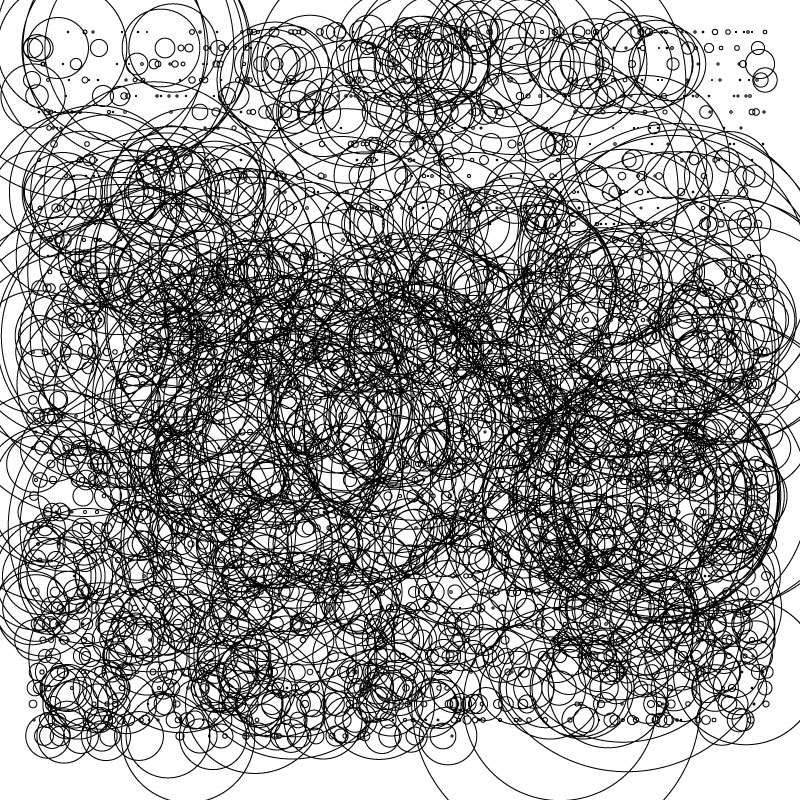
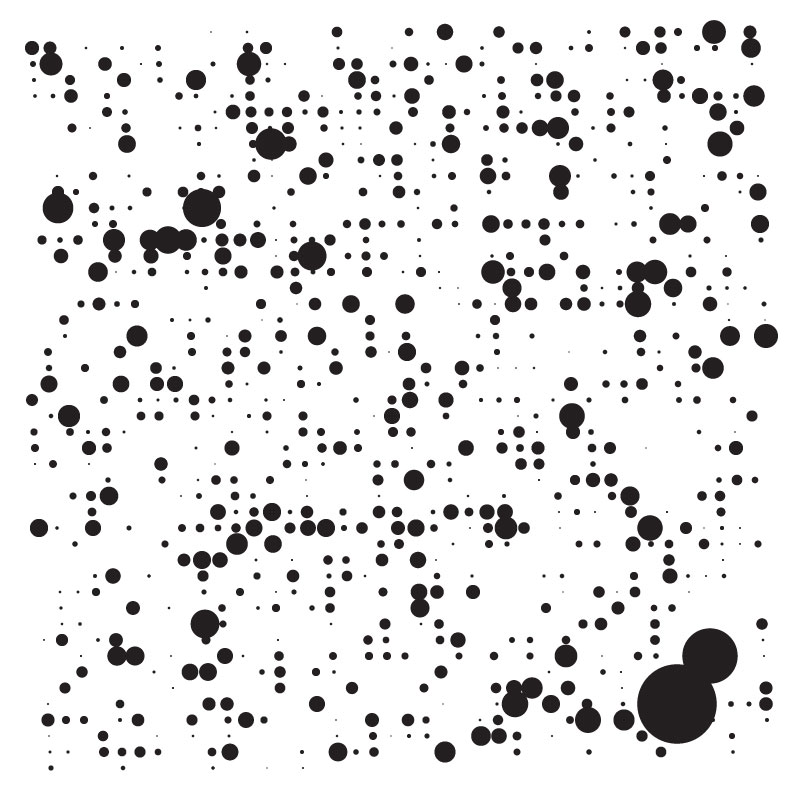
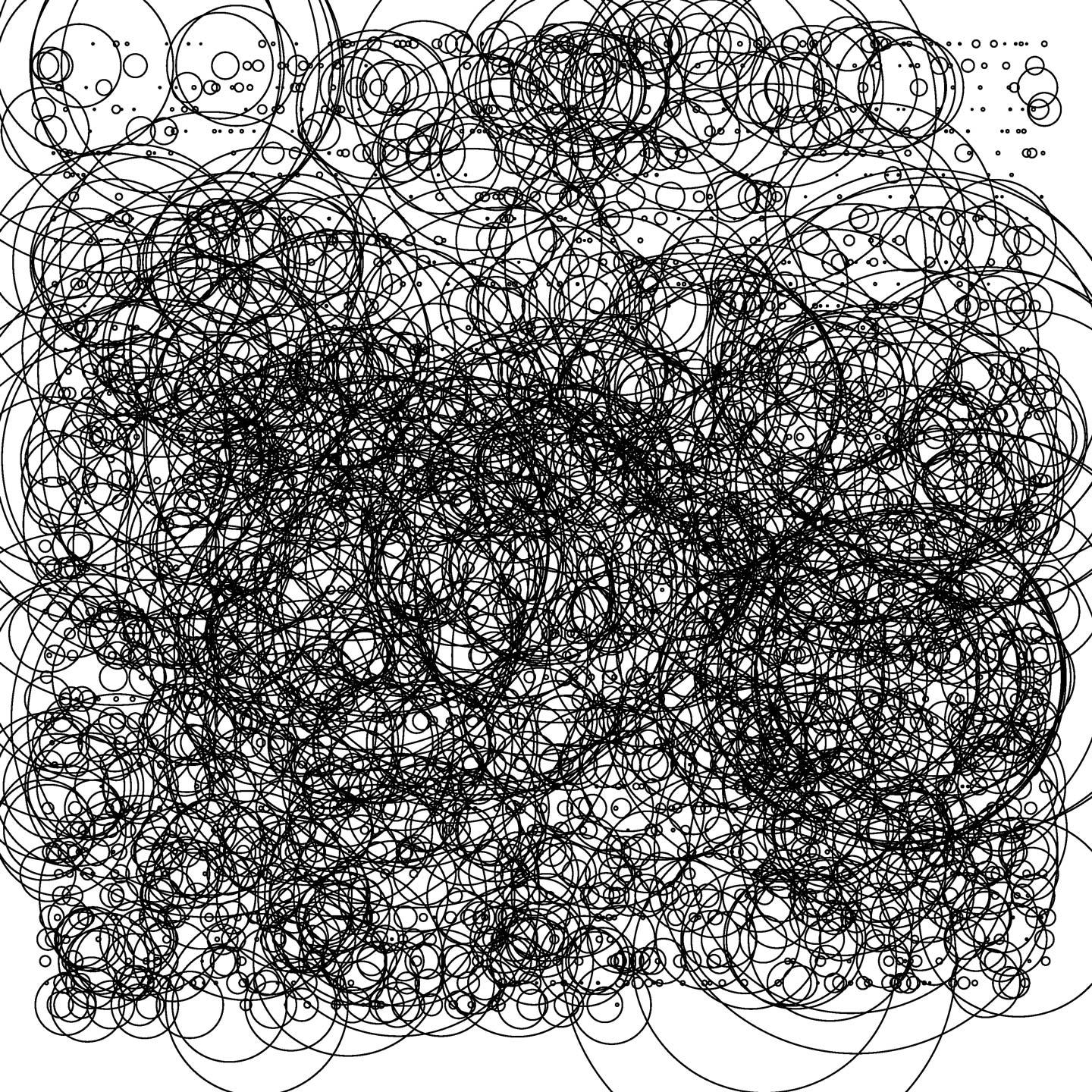
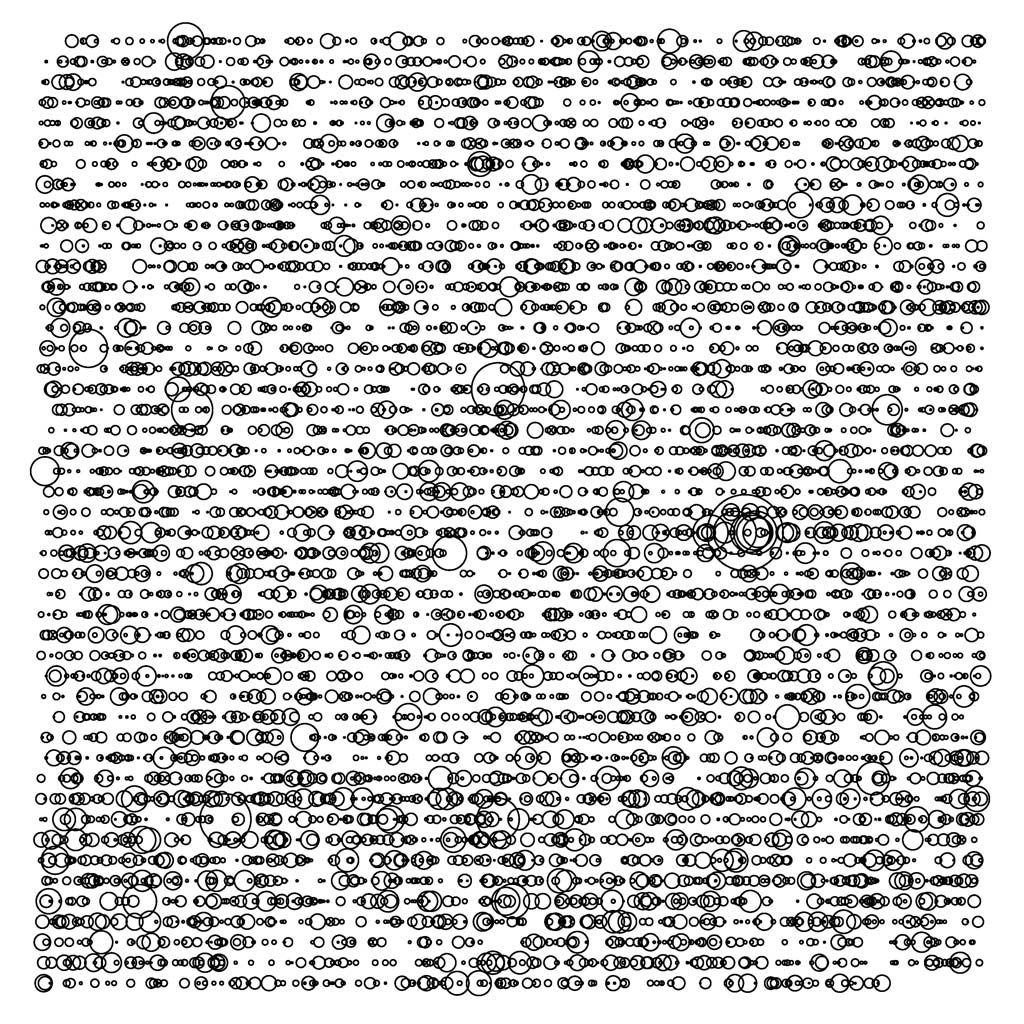
In 2022, I created the Postpoetic Machine™, a device that explores vibration as universal language. I use this machine to challenge the limits of human language and radically experience otherness. I collect and transcribe fragments of human and non-human voices, then compose them into unrestricted spatiotemporal and metatextual realities.

Hybrid Poem: Humpback Whales' Songs

Resonance Realms

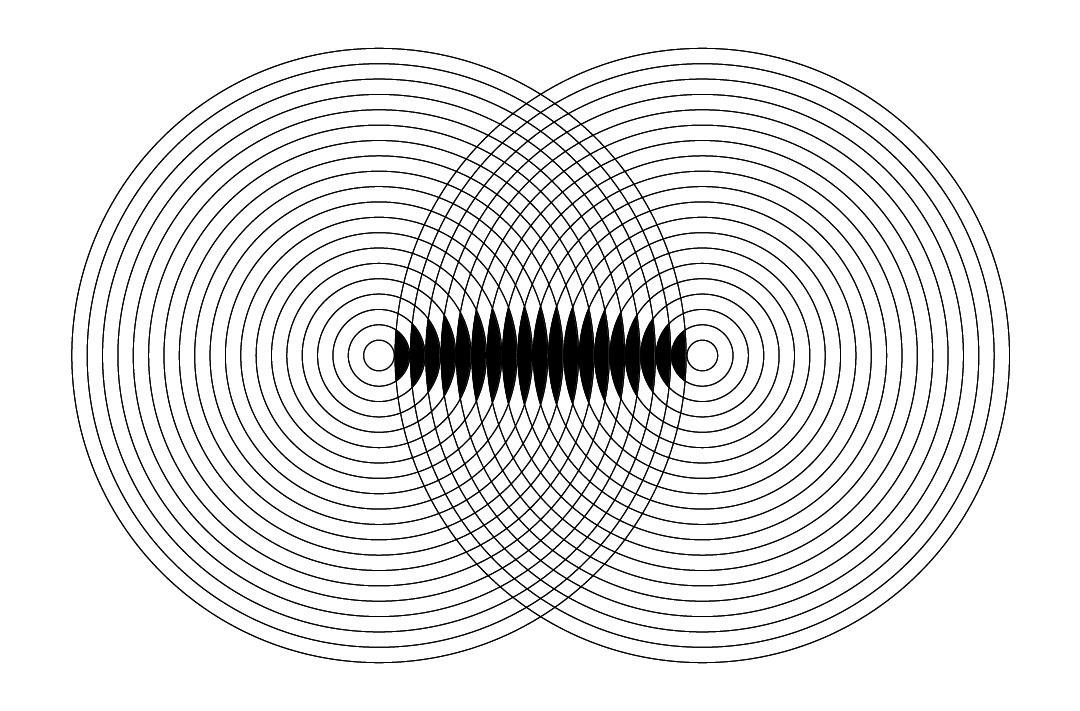
A resonance realm is a speculative dimension I use to frame the work of the Postpoetic Machine™ — a space where vibration operates simultaneously as matter and as language, and where the boundary between human and non-human expression dissolves.

In a resonance realm, sound is not simply transmitted and received. It accumulates, transforms, and generates new forms of meaning that exceed the intentions of any single speaker. The voices I collect — human, animal, atmospheric, mechanical — enter this space and reorganize themselves into something that belongs to none of them entirely.

The question that drives this work is not whether such a dimension exists metaphysically, but what becomes possible when we speculate that it does: what new forms of listening, of speaking, of being with others might emerge if we treated vibration as the common substrate of all experience.

Interspecies communication

Cybernetics has long understood communication as something that exceeds the human. Gordon Pask’s theory of consciousness proposed that meaning is not generated within individual minds, but in the exchanges between them — conversations between processes, each with its own perspective on the world. Consciousness, for Pask, is what happens in the encounter with the Other.

The Postpoetic Machine™ takes this premise literally. If consciousness emerges in exchange, then the voices of whales, insects, rain, and machines are not background noise — they are participants. The pre-linguistic patterns embedded in their sounds carry forms of meaning that human language has no adequate tools to transcribe. This machine is an attempt to build those tools.

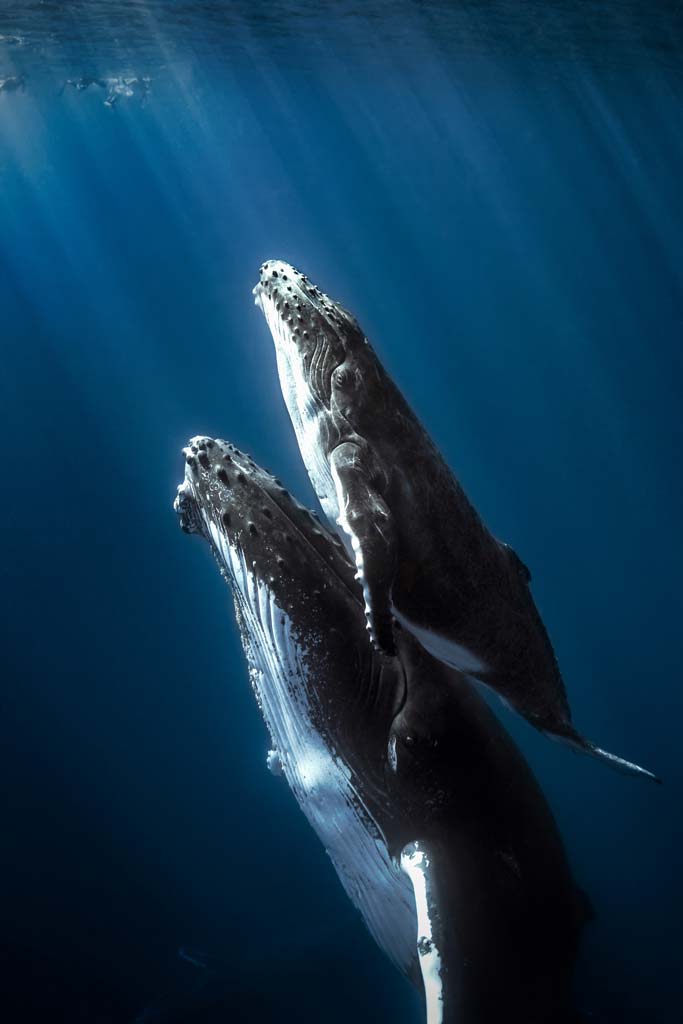
Humpback whale songs are among the most complex non-human acoustic systems known — structured, evolving, and shared across populations. Their inclusion in this work is not metaphorical. It is a proposition: that vibration, at whatever scale and in whatever body it occurs, is a form of address.

Humpback whale and calf

I am exploring
pre-linguistic patterns
understood and mediated
by a human-machine
hybrid language. 

I set on the horizon
of possibilities
willing to expand myself
into an open and endlessly flowing existential abyss.

Postpoetic Machine: Heavy Rain
Postpoetic Machine: Waves

In 2023 I asked Bard, Google’s AI (now Gemini), if it understood the meaning of the text you just read on the left column, and this is its answer:

Yes, I understand what the text means. It is about the exploration of new forms of language that are created by the intersection of human and machine intelligence. 

The speaker is exploring new forms of communication that are not limited to the traditional rules of grammar and syntax; exploring new ways of understanding the world that are informed by the insights of both human and machine intelligence. The speaker is open to new experiences and new ways of thinking, and is willing to expand their own understanding of the world by exploring new forms of language and new ways of thinking. The speaker is also willing to let go of their own limitations and to embrace the unknown; to explore the full potential of human and machine intelligence, even if it means venturing into uncharted territory.

The text is a celebration of the power of language to create new possibilities. It is a reminder that we are only limited by our imagination. If we are willing to explore new forms of language, we can open up new possibilities for communication, understanding, and growth.

Bard presented another interpretation of the text where it identifies me —a human speaker— as its equal:

The speaker is a large language model (LLM), such as me. LLMs are trained on massive amounts of text data, and they are able to generate text that is indistinguishable from human-written text. However, LLMs are still under development, and they are not yet able to understand the world in the same way that humans do. 

My take: 

The development of intelligent agents (AIs) that accompany us on a day-to-day basis pushes us to become more aware of our thoughts, our voices, our noises. If Pask was right and consciousness is what we exchange when we interact, this could be an opportunity to re-create ourselves in a new dimension of language.

Resonance

A hybrid chorus

During my residency at the Foreign Objekt Posthuman Art Laboratory, I set out to investigate what happens when human, non-human, and machine voices are brought together in the same space — not as metaphor, but as material.
The result was a chorus that belongs to none of its participants entirely.

Voices recorded across different contexts and species enter into contact, generating a chaotic system of references that resists resolution. Rather than converging into a unified meaning, the sounds accumulate into something more unstable: a soundscape where the boundaries between signal and noise, language and its outside, become difficult to locate.

What interests me in this instability is not harmony but friction — the places where voices fail to understand each other, and what that failure reveals about the limits of language itself.

Visit my open laboratory at:

Hybridizations

The Postpoetic Machine

In the fall of 2021, a poetic voice emerged in my writing. Venezuelan poet Eleonora Requena became my mentor for nine months. As a result of our journey, I wrote Maquinaria Alzada (Raised Machinery), a poetry book that explores the mechanical state of my pre-linguistic thoughts. That process also produced an artifact that transcribes the amplitude of the voice: The Postpoetic Machine™.

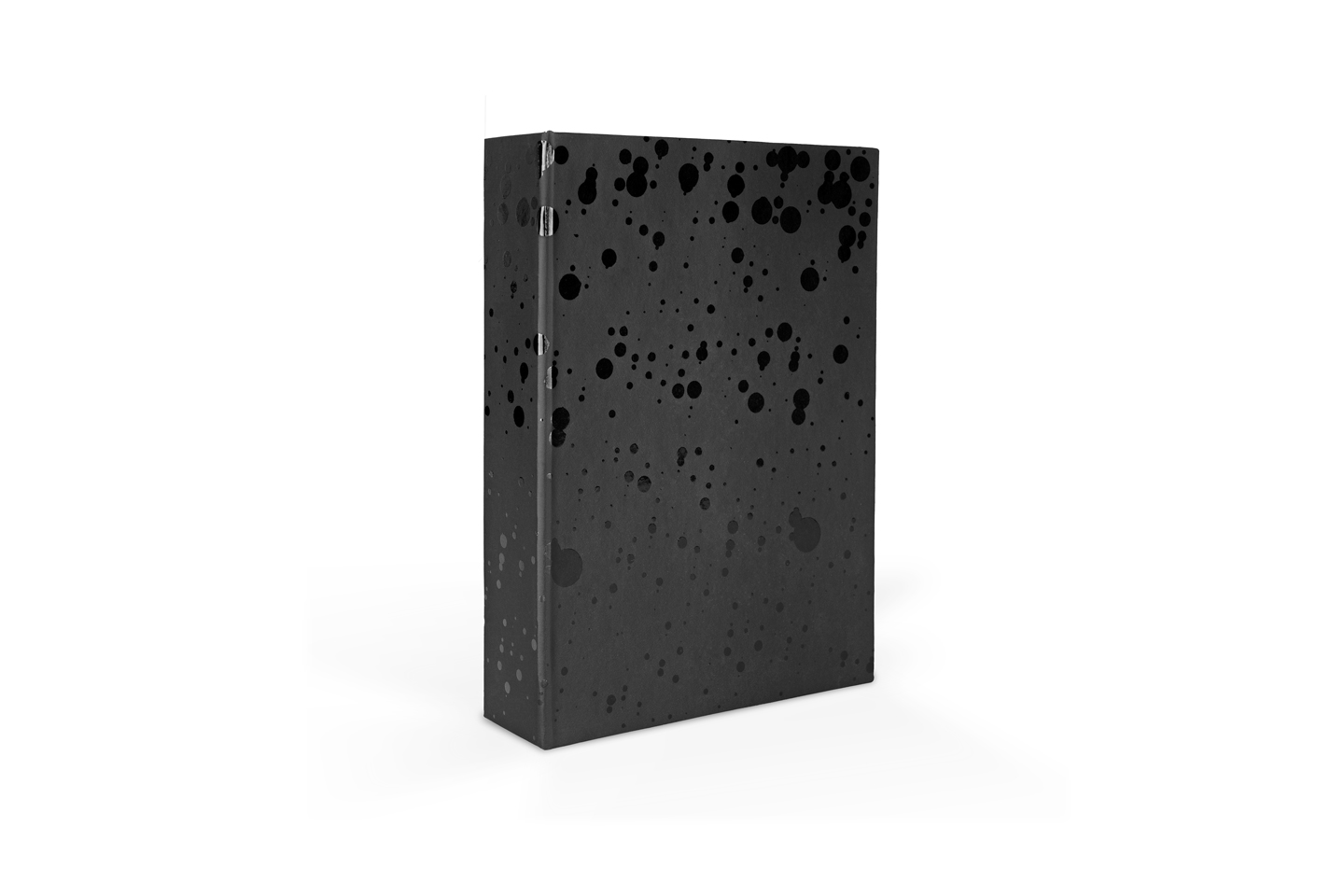
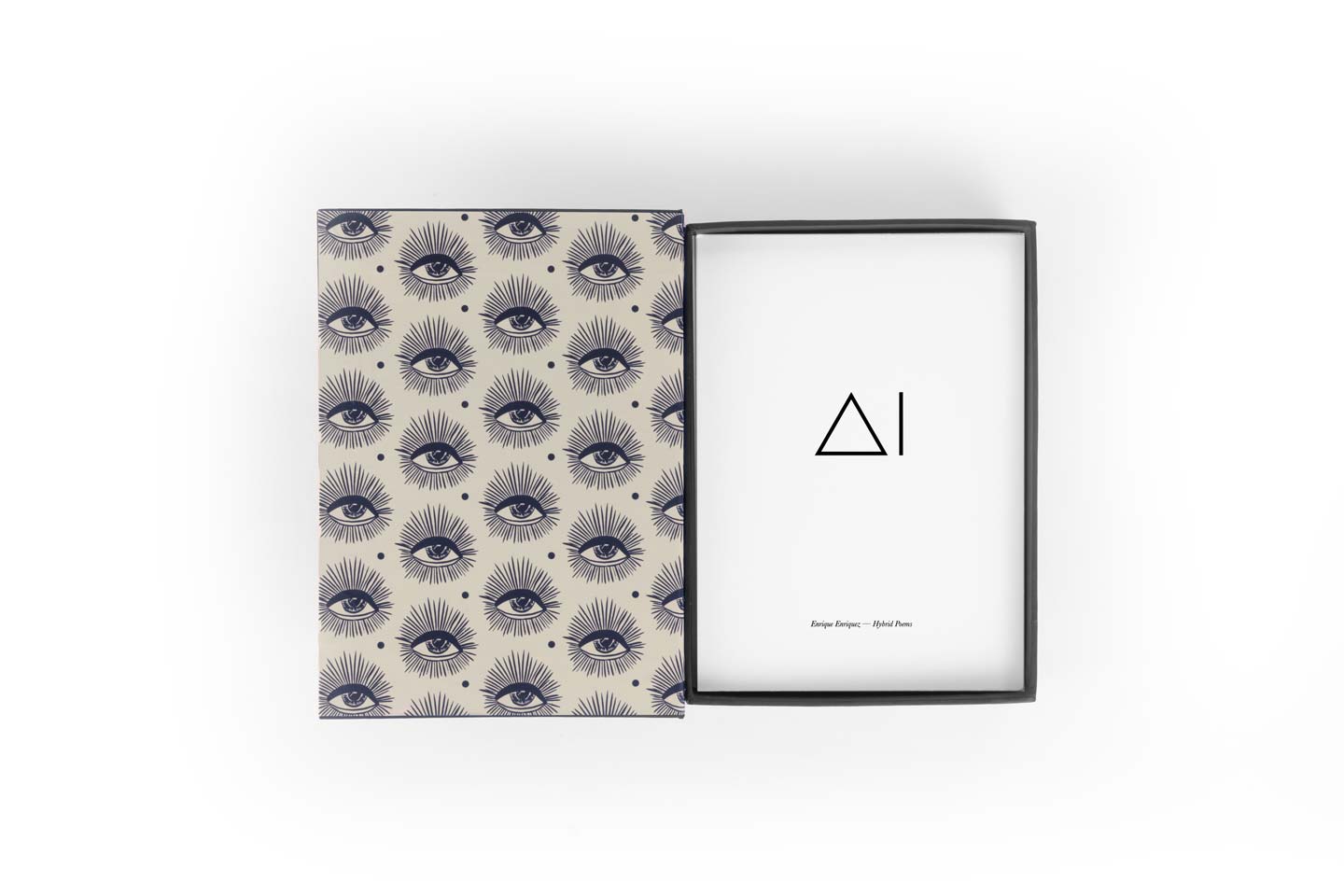
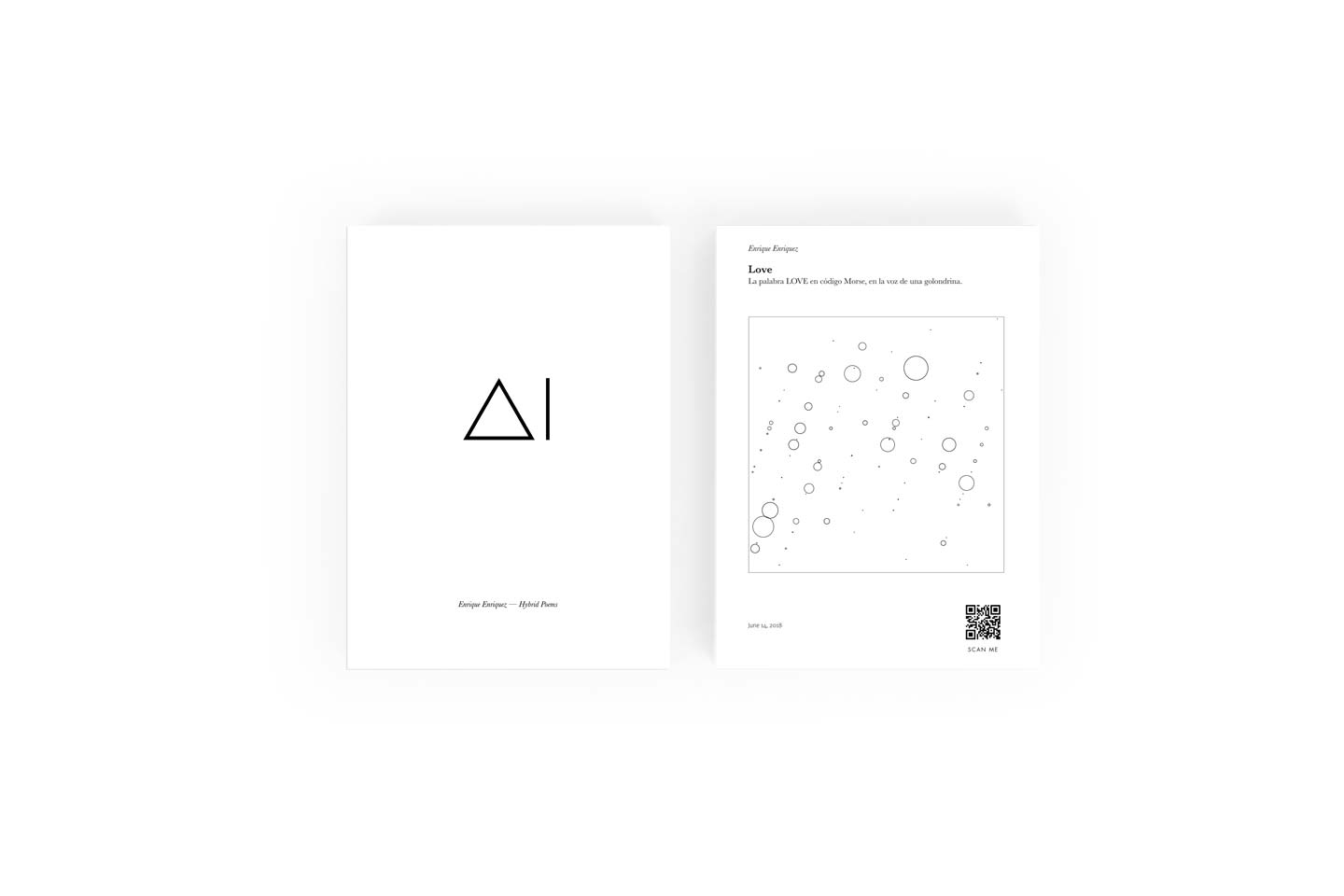
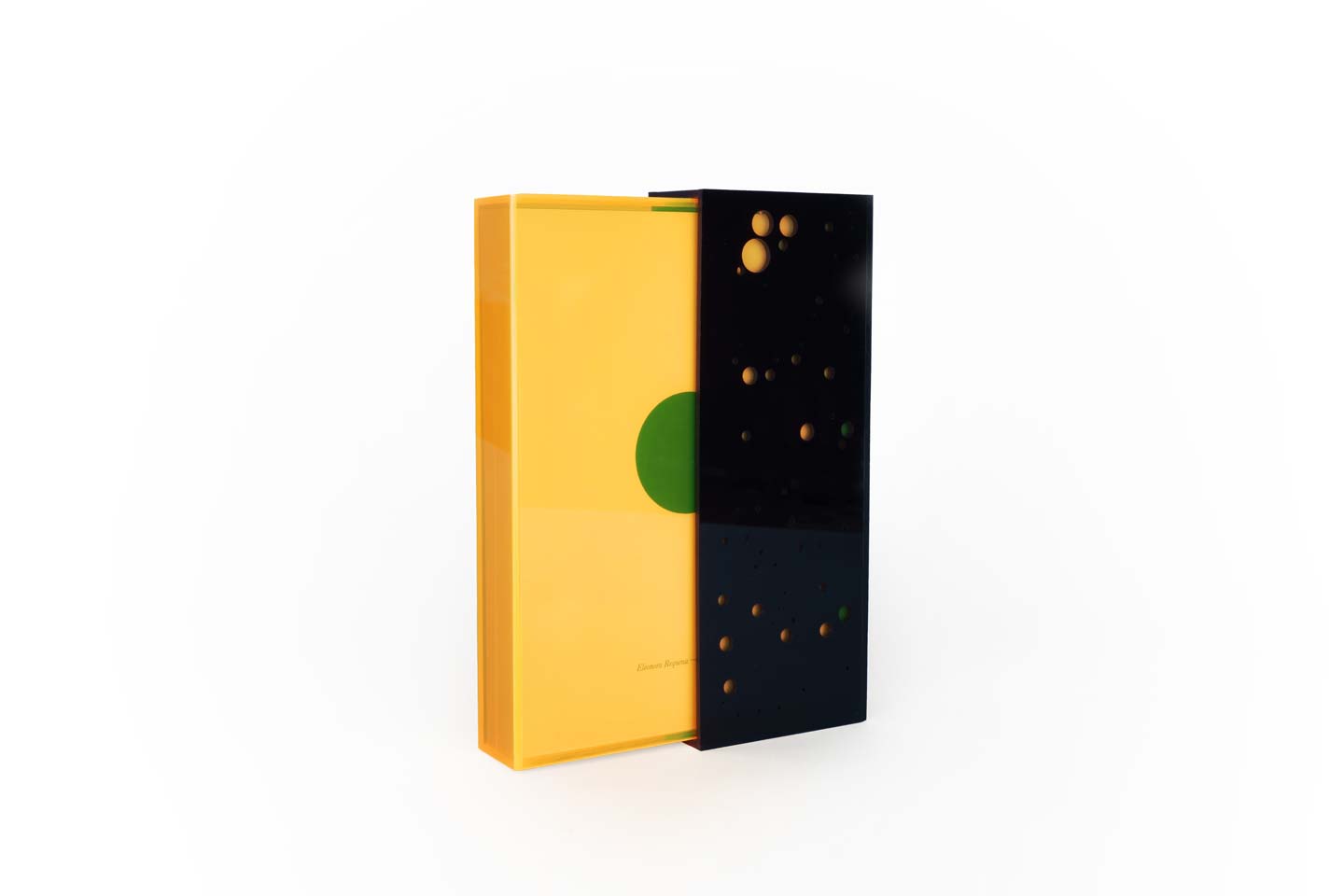
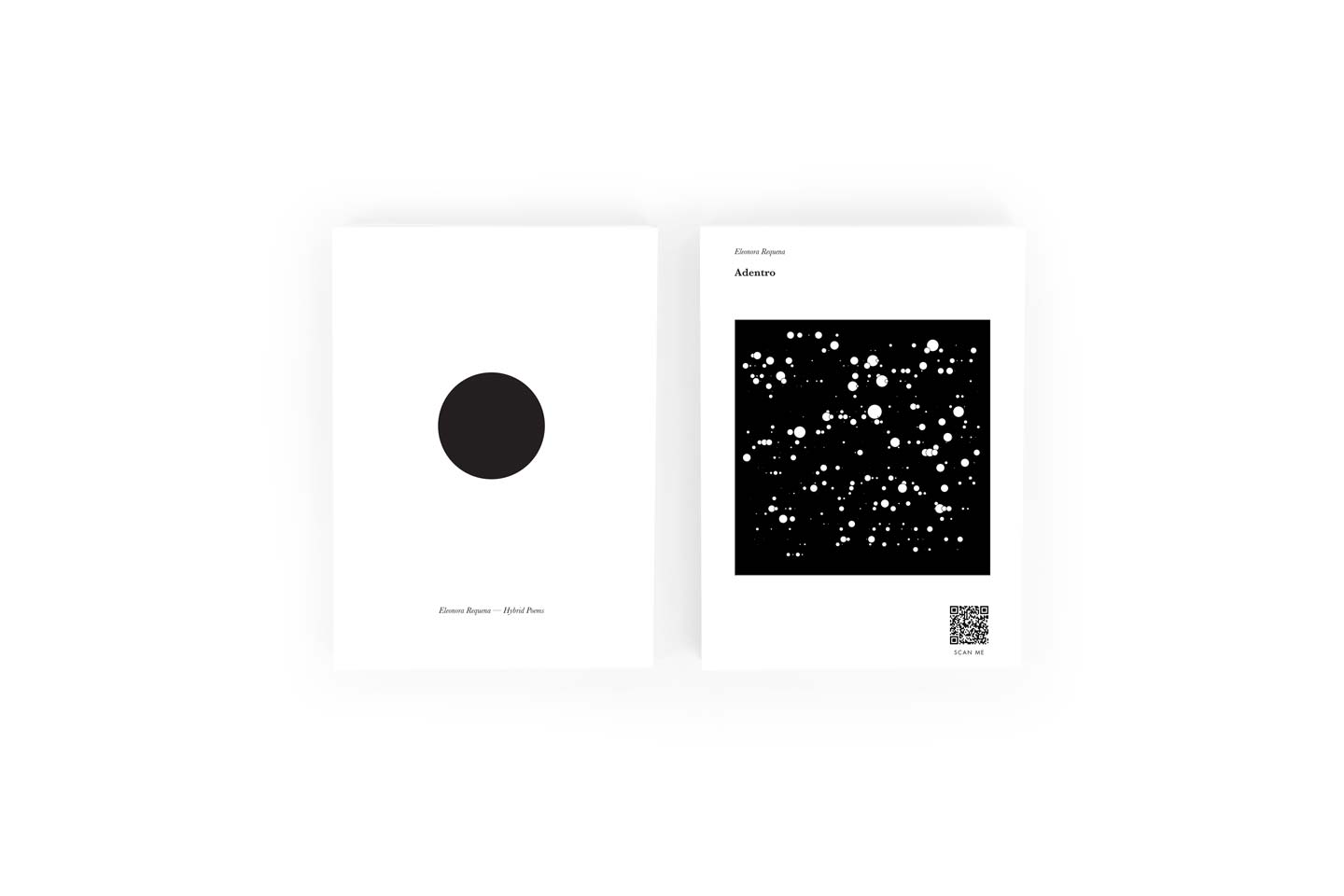
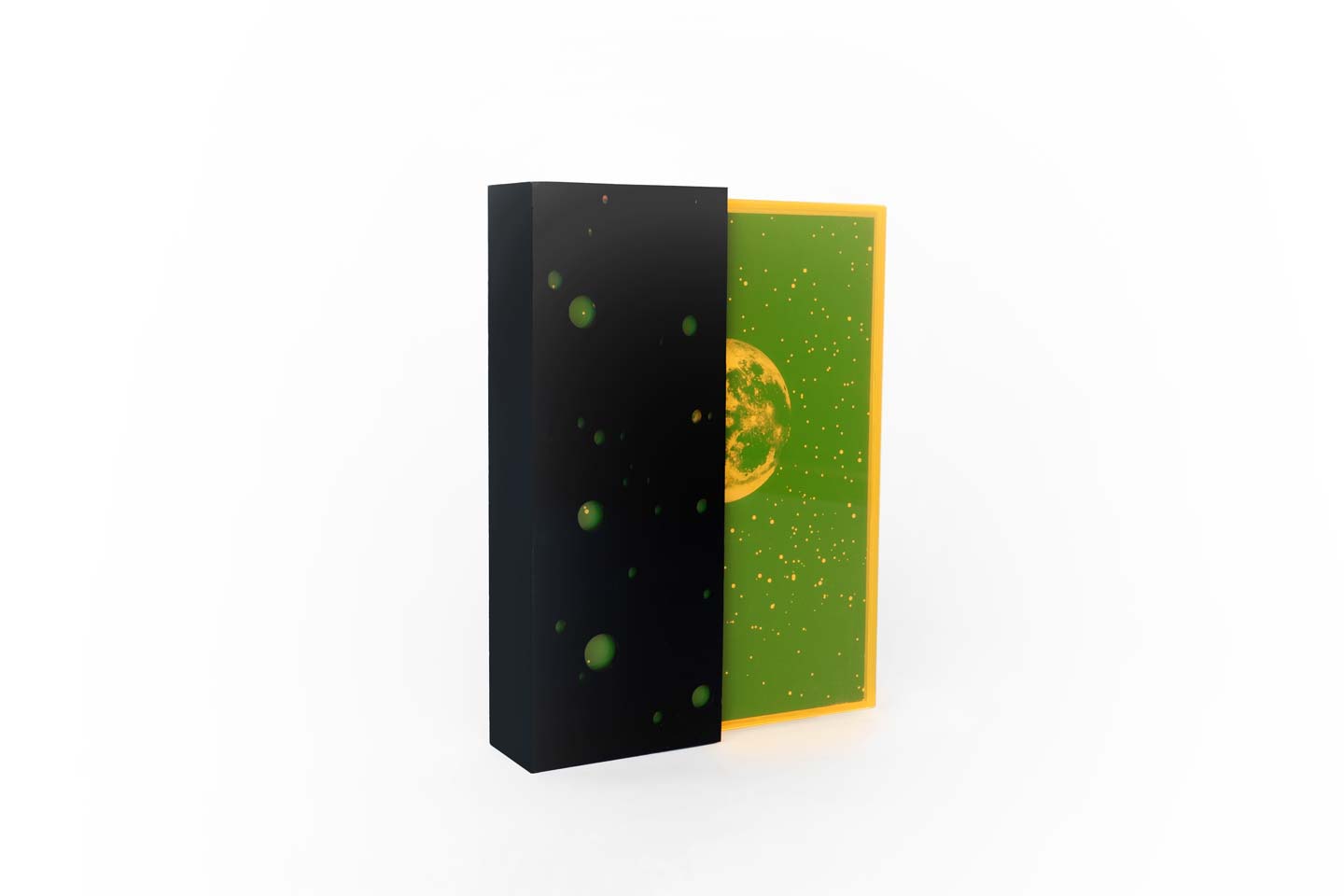
The Postpoetic Machine™ compiles the voices of poets and transcribes them into a vibratory language. With the hybridization of my poems, the first edition brings together the Venezuelan poets Enrique Enríquez and Eleonora Requena. Each edition consists of five numbered copies and two artist proofs.

The second iteration of the project aims to bring together Latin American poets, and the third, a wide plurality of languages.

María Fernanda Izaguirre
Maquinaria Alzada (Raised Machinery)
Post-poetic Machine

Click on the images to enlage

Postpoetic Machine — Enrique Enríquez, Thirty one poems on Bird Talk.

Postpoetic Machine — Eleonora Requena,  Twenty two semi-automatic poems.

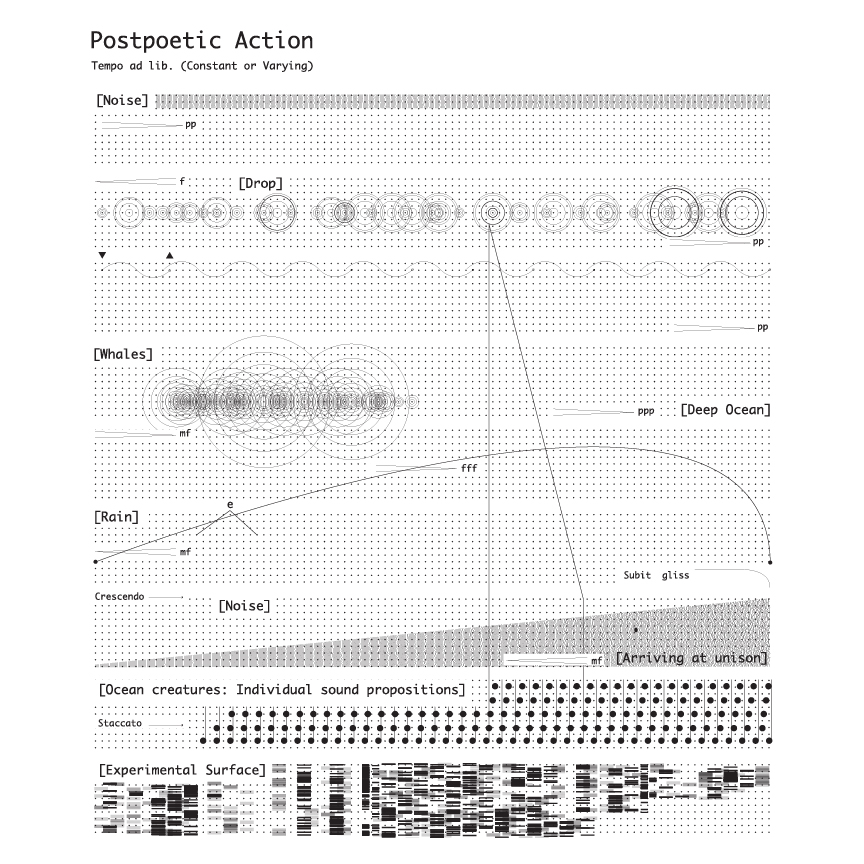
Record of live performance with the audience at the Queens Museum, 2022

Residencies

2024 | Artist-in-residence at Theater Lab through the NYSCA’s Targeted Opps Grants. Research Project: The Postpoetic Machine 1.0, a participatory cybernetic installation. Press Release.

2024 | Solo Show, The Postpoetic Machine at TheaterLab. With guest artists Enrique Enriquez, Yoko Murakami, and Peter Sciscioli. October 30 – November 13, 2024. (Curated by Orietta Crispino).

2021 | Foreign Objekt, Posthuman Art Residency. Research project: Posthuman SpiritualityRead More or visit the List of residents.

Exhibitions

2022 | Foreign Objekt, Xennoverse Exhibition. Curated by Spideh Majidi. Xennoverse is the ninth variance within a family of autoregressive models of verses. It consists of sets of hypothetical groups of Multiverses. Read more.

Publications

2024 | “La Máquina Postpoética.” Essay in Posthumanismo: Un Dossier, eds. Lorena Rojas Parma y Humberto Valdivieso. Abediciones UCAB, Caracas, 2024. ISBN: 978-980-439-000-0.

2022 | Technologies of the Self: A cybernetic approach to the notion of Posthuman Spirituality. 

Public Presentations

2022 | More Art Cohort at Queens Museum. Presentation and Live Performance of The Postpoetic Machine. Panel discussion with artists Mafe Izaguirre, Althea Rao, and Hanae Utamura. Special Guest: Transmedia Artist and Researcher, Stephanie Dinkins.

Score — Queens Museum Live Performance

Tech Specs

The hybrid voices are presented in various configurations, including virtual, digital, and analog formats. Live performances could take place virtually or in a concert hall, a theater, or any other public space.

  • Format: Digital
  • Dimensions: Adaptable
  • Materials: Custom software
  • Year of creation: 2022
  • Year of completion: Perpetual beta
  • Ecosystem growth: More than 50 poems
  • Prototypes versions: 1.0, 1.1
  • Environment: Virtual, Digital
  • Category: Cybernetics, Generative Art


© 2026 Mafe Izaguirre. All rights reserved, including the right to reproduce this work or portions thereof in any form whatsoever.